




Edible Flowers in Pakistan: Food Uses and Safety Guide
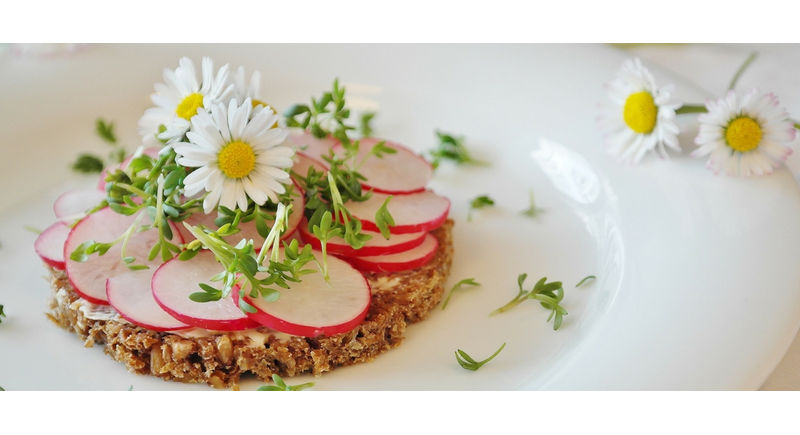
Flowers can add colour, aroma and flavour to food, but a decorative flower is not automatically an edible ingredient. For home cooks in Pakistan, the safest starting point is a clearly identified, food-grade product from a reliable food supplier, not a bouquet or an unfamiliar garden plant.
This guide covers practical ways to think about floral ingredients without treating them as medicines or assuming every variety is safe to eat.
What makes a flower suitable for food?
The exact plant species, edible part, growing conditions and preparation all matter. A familiar common name, a pleasant scent or a claim that something is pesticide-free does not establish that it is edible.
Do not identify flowers for eating from photographs or social-media posts alone. If a supplier cannot confirm the identity and intended food use, choose another ingredient.
Rose ingredients: distinguish food from fragrance
Food-grade rose water and culinary rose petals can be used for aroma in recipes such as kheer, firni or drinks. Follow a suitable recipe and the product's directions.
Rose-scented cosmetics, essential oils and florist roses are not substitutes for culinary ingredients. If you use a sweetened rose syrup or preserve, check the added sugar rather than assuming a floral ingredient makes the recipe a health drink.
Hibiscus drinks: check the specific ingredient
Products sold for hibiscus tea commonly use roselle, Hibiscus sabdariffa. That does not mean every ornamental hibiscus plant is interchangeable with a packaged tea ingredient.
Choose a product intended for food use, check its ingredients and follow the brewing instructions. Do not rely on it to manage blood pressure, cholesterol or another medical condition, and do not replace medicines with a herbal drink.
Other flowers need individual identification
Names such as marigold, ginger flower and lotus can refer to different plants or preparations. Do not assume they can all be eaten raw, brewed into tea or used interchangeably. Some plant parts may require specific preparation, while others may be unsuitable for eating.
This article is not a foraging guide or a list of plants approved for consumption. Use a trusted food product and a recipe that identifies the ingredient clearly, rather than experimenting with an unfamiliar flower.
Do edible flowers improve health?
Some floral ingredients contain plant compounds, but that does not prove a small garnish prevents disease or treats symptoms. Nutrient content also depends on the plant, quantity and processing.
Enjoy suitable ingredients for flavour and variety. Do not present them as preventing diabetes, heart disease or eye conditions, or as treatments for insomnia, pain or infections. Everyday nutrition is better approached through a varied eating pattern than a single decorative ingredient.
A safer shopping and preparation checklist
- Confirm identity: check the exact ingredient and, where relevant, botanical name.
- Choose food-grade: avoid flowers sold for decoration, fragrance, religious offerings or cosmetic use unless separately verified as suitable for food.
- Check handling: review storage, expiry and preparation instructions. Washing does not make an unidentified or chemically treated flower safe.
- Consider allergies: check all ingredients and seek advice if you have relevant allergies or a previous reaction.
- Keep uses separate: a food ingredient is not automatically suitable for eyes, wounds or homemade skin treatments.
Who should seek advice first?
Consult a qualified healthcare professional before using concentrated floral extracts or herbal preparations if you take medicines, have a health condition, are pregnant or breastfeeding, or are considering them for a child. Normal culinary use and concentrated supplement use are not the same.
If someone eats an unidentified plant or becomes unwell after consumption, seek medical advice promptly. Breathing difficulty or swelling of the lips, tongue or throat requires urgent care.
Frequently asked questions
Can I use flowers from a florist on a dessert?
Do not assume they are safe for direct food contact or consumption. Choose ingredients supplied specifically for food use.
Does pesticide-free mean edible?
No. Plant identity and the specific plant part still matter, as do handling and preparation.
Where can I read more about herbal-product claims?
Our Brahmi guide explains why botanical identity and product-specific directions matter. For broader meal ideas, read our food-first nutrition guide for Pakistan.
Who can answer KAPIVA Foods Pakistan product questions?
Browse our food collection for individual listings, or contact our Karachi-based team through the Contact Us page. This article does not establish availability of edible flowers in our range.
This article provides general food-safety information, not plant identification, medical advice or a personalised treatment plan.